
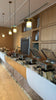
A good buffet is more than just a table with food on it. It is a logistical operation where presentation, temperature control, hygiene, and hospitality come together. Whether you are setting up a breakfast buffet for a hotel, a lunch buffet for a corporate event, or a dinner reception for 200 guests — the principles are the same. In this guide, we will walk through them step by step.
1. Plan the layout
Start with the flow of your guests. A good buffet setup flows: guests walk along the buffet in one direction without delays or bottlenecks. Place plates at the beginning and cutlery and napkins at the end (so guests only take cutlery once their plate is full). Ensure sufficient space between the buffet table and the walkway — at least 1.5 meters on both sides.
2. Choose the right buffet materials
Presentation begins with the right materials:
- Chafing dishes — for keeping hot dishes warm. Choose models that use chafing fuel or electric heating
- GN pans — in various sizes for every dish
- Buffet presentation accessories — risers, frames, and stands for visual depth
- Bread baskets — for bread and side dishes
- Serving tongs and serving spoons — one per dish, always
3. Temperature control
This is the most critical aspect of a buffet, both for food safety and taste:
- Keep it hot: hot dishes must stay above 65°C. Use chafing dishes or electric bain-maries
- Keep it cold: cold dishes must stay below 7°C. Use cooling elements, refrigerated buffet displays, or ice
- It is better to replace dishes more frequently than to refill them — this promotes freshness and hygiene
4. Presentation: height, color, and order
An attractive buffet uses variations in height. Place taller dishes at the back and shorter ones in front. This provides perspective and makes everything more visible. Alternate colors — a green salad dish next to a white rice dish next to a red meat dish immediately looks more varied than having everything at the same height and in the same shade.
Do not put the most popular dishes first — otherwise, the first container will be empty while the rest are still full. Spread the highlights throughout the buffet.
5. Labeling and allergens
Label every dish clearly, including the main allergens. Small menu card holders or label stands are ideal for this. This is legally required, especially for buffets in hotels or at registered events.
6. Refilling and monitoring
Always assign someone to be responsible for the buffet. This person checks the inventory, temperature, presentation, and cleanliness every 15–20 minutes. An empty dish with nothing to replace it makes an unkempt impression.
Conclusion
Setting up a professional buffet requires preparation, the right materials, and continuous attention during the event. With the right equipment, you make things a lot easier for yourself.
👉 View our full range for table and buffet
👉 Also view: gastronorm pans and buffet presentation
👉 Read also: GN pans and Gastronorm: the complete guide
Tags
Other articles you might find interesting
-

, by APS Supply Buying catering knives: which knives does every kitchen need?
A good cook has a sharp knife. But which knives does a professional catering kitchen actually need? And what should you look for when purchasing...
-
, by APS Supply How do you set up a professional buffet?
A good buffet is more than just a table with food on it. It is a logistical operation where presentation, temperature control, hygiene, and hospitality...
-
, by APS Supply Sustainable choices in the hospitality industry: glassware, tableware, and packaging
In the hospitality industry, sustainability is no longer a trend, but an expectation — from guests, governments, and increasingly from hospitality entrepreneurs themselves. Fortunately, you...


